
Spirits at Pier 11 and Pakaka Heiau
Spirits at Pier 11 and Pakaka Heiau
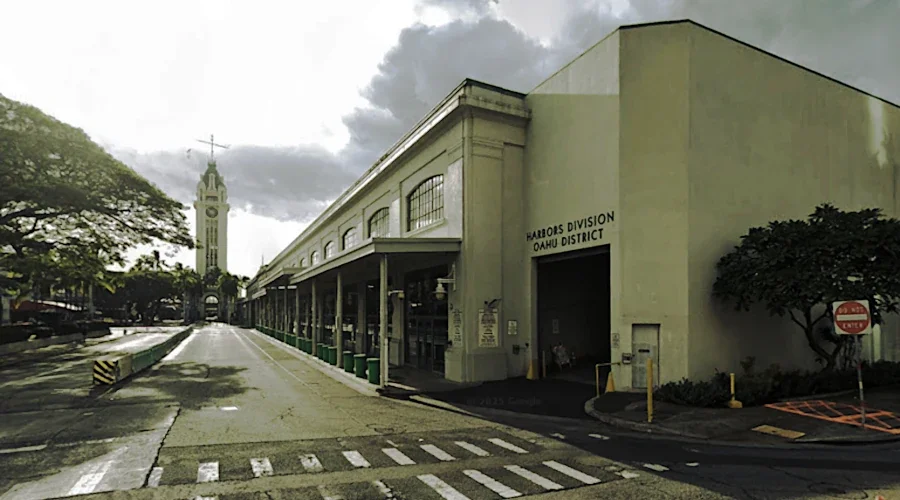
A short walk from Downtown Honolulu lies Pier 11 lies , a place layered with royal history, sacred ground, and long-forgotten memories. Today, it is defined by harbor traffic, cruise ships, and concrete. But beneath this modern shoreline rests a powerful past, one that continues to shape its reputation as one of the most significant haunted places in Honolulu.
Sacred and Powerful Pakaka Heiau
Before the land was extended into the harbor, this area was home to Pakaka Heiau, an ancient temple that predates even the time of Kakuhihewa, the ruling ali‘i of O‘ahu before Kamehameha’s rise.
Pakaka was not an ordinary heiau. It served as a place where kāhuna gathered to study and train in sacred practices. Historical accounts describe the heiau as a site of immense spiritual power and severity. In one account, the walls were said to be lined with the heads of those offered in sacrifice, a reminder of the kapu system and the seriousness of ritual life in ancient Hawai‘i.
Such places were not only centers of learning and ceremony, they were places where life and death intersected. In Hawaiian belief, locations tied to ritual sacrifice and intense spiritual practice often retain a lingering presence. It is said that the spirits of those who died there may still remain, bound to the land where their lives were taken.
The Rise of the Hawaiian Kingdom
By the time Kamehameha I conquered O‘ahu, Pakaka was already ancient. Recognizing its importance, he established his seat of power in Honolulu and made Pakaka his personal residence.
In 1810, one of the most significant moments in Hawaiian history took place here. Kamehameha met with King Kaumuali‘i of Kaua‘i at Pakaka to negotiate the peaceful unification of the islands. In exchange for loyalty, Kamehameha promised never to invade Kaua‘i or Ni‘ihau, securing unity under one rule.
From this sacred ground, the Kingdom of Hawai‘i was unified.
Land Reclaimed and History Buried
As Honolulu modernized in the late 19th and early 20th centuries, the original shoreline was dramatically altered. The land surrounding Pakaka Heiau was buried beneath layers of dredged material and coral fill, extending the coastline outward into the harbor.
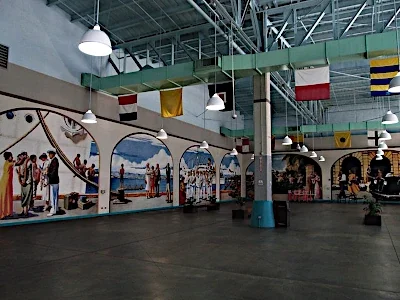
In 1926, construction began on Aloha Tower, followed by the completion of Piers 10 and 11 in 1927. Decades later, the development of Nimitz Highway in the 1950s further reshaped the area, replacing portions of the old pier with what is now the Hale Awa Ku Moku building. Today, there is little visible trace of Pakaka Heiau. But in places like this, where sacred sites once stood, and where lives were taken in ritual, history is not always erased.
Spirits That Remain at Pier 11
Across Hawai‘i, it is often said that areas connected to suffering, sacrifice, and powerful spiritual practices do not simply forget. Though a modern building now stands where Pakaka once existed, the energy of the site is still there. Places like this, where history runs deep and the past was marked by both reverence and death, are often associated with lingering spirits. People talk of moving shadows in the empty corridors, an uneasy feeling of dread, and an unseen spirit that pulls at people’s clothing and hair.
In haunted Honolulu, these are not just stories
They are reminders that beneath the city’s surface lies a much older world, one that still holds its presence in quiet, unseen ways.
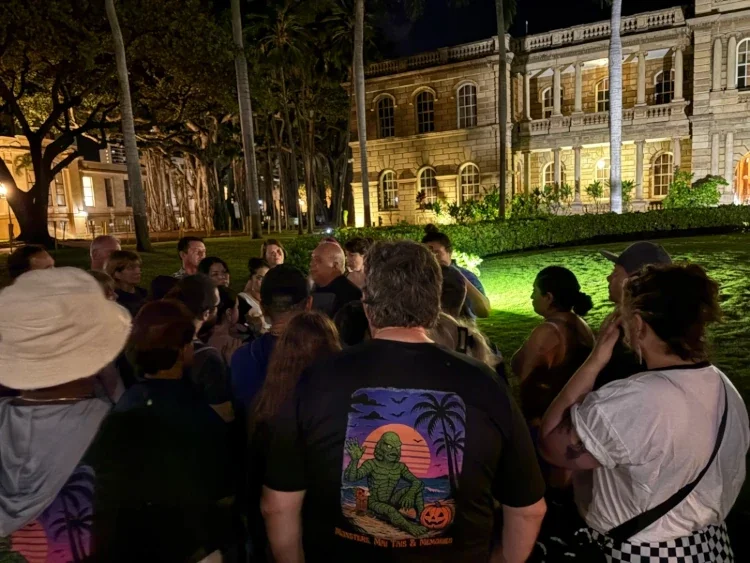
From the buried foundations of Pakaka Heiau to the haunted ‘Iolani Palace and the historic Kawaiaha‘o Church, haunted Honolulu is filled with places where the past still lingers. Join a Hawaii ghost tour and explore the most haunted places in Hawaii, where history, culture, and the unexplained come together beneath your feet.